
Smart plugs: price comparison
68 Energy meters from established makers · Selection index 102.5 −0.2% 7 d · avg €25 · as of 18/10/2026
Price table · 68 Energy meters
 TAP·TPTP-Link Tapo Smart WLAN Steckdose P110 mit€9±0.0%
 TAP·TPTP-Link Tapo P100 WLAN Smart Steckdose€9−10.2%
 SHE·PLUGShelly Plug M Gen3 Weiß - WLAN & Matter Smarte Steckdose€20±0.0%
 TAP·WLANTapo WLAN Smart Steckdose Tapo P100(2-Pack)€19+18.2%
 SWI·WLANSwitchBot WLAN Steckdose mit Strommessung€12±0.0%
 TAP·P115Tapo P115 Smart WLAN Steckdose mit€14+16.7%
 BRE·CONNECTBrennenstuhl Connect WLAN Steckdose WA 3600 XS02, Smart Home€11+12.2%
 OSR·SMARTOSRAM SMART+ Matter Plug EU Steckdose 10A 2300W IP20 schwarz€13−0.3%
 SWI·WLANSwitchBot WLAN Steckdose€31±0.0%
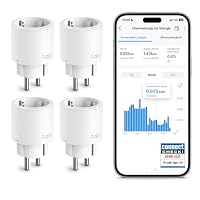 TAP·NANOTapo Nano Smart WLAN Steckdose Tapo P115 mit€37−1.1%
 PHI·HUEPhilips Hue Smart Plug, Weiß, 3er Pack | Smarte Steckdose€71−11.3%
 FRI·SMARTFRITZ!Smart Energy 200 | Intelligente Steckdose€30−25.0%
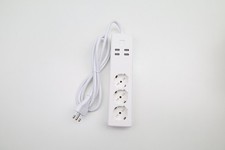 MER·SMARTMeross Smart Mehrfachsteckdose 3 AC + 4 USB, WLAN€18±0.0%
 BRE·WLANBrennenstuhl WLAN Steckdose Smart Home Alexa Google€18±0.0%
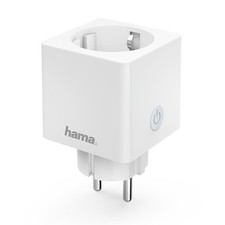 HAM·WLANHama WLAN Steckdose Mini mit Stromverbrauchsmesser WiFi€18±0.0%
 HAM·WLANHama WLAN Steckdose Professional, Mini Plug€12−31.9%
 HAM·PACK3ER PACK Hama Smarte WLAN-Steckdose Weiss€20±0.0%
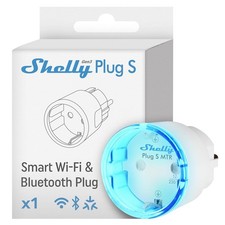 SHE·SMARTEShelly Smarte Steckdose WLAN Bluetooth Gen3 Plug Wi-Fi€17+6.3%
 SON·S61SSONOFF S61s Matter WLAN Außensteckdose Wasserdicht€20±0.0%
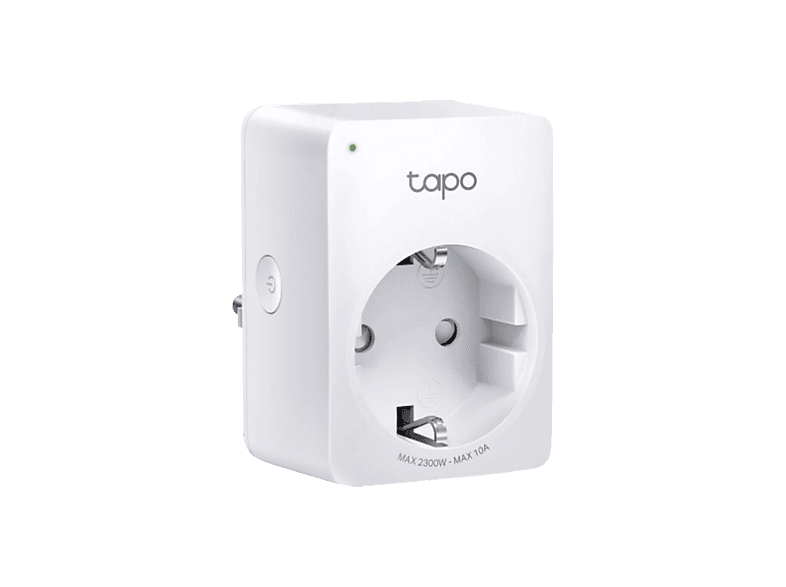 TAP·P110MTAPO P110M Smarte Steckdose€16±0.0%
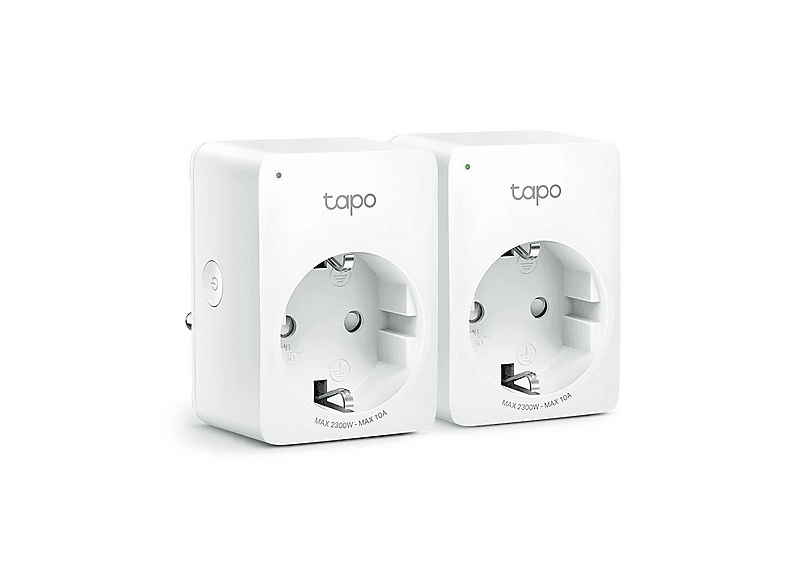 TAP·P100TAPO P100 smarte WLAN Steckdose€22+10.0%
 HAM·WLAN2 Hama WLAN-Steckdose Matter Smart Plug 3680W€22±0.0%
 HAM·WLANHama WLAN Steckdose 3680W WiFi Socket Smart Home Matter€15±0.0%
 SON·S60SONOFF S60 ZIGBEE SMART STECKDOSE INTELLIGENTE 16A PLUG€15±0.0%
 SON·S60Sonoff S60 Zigbee Smart Steckdose 16A Plug Energiemessung€15±0.0%
 LED·SMARTLEDVANCE Smart+ Plug ZigBee schaltbare Steckdose€23+21.2%
 TPL·TPTP-Link Tapo P110 Smart Home WLAN-Steckdose Alexa & Google€15±0.0%
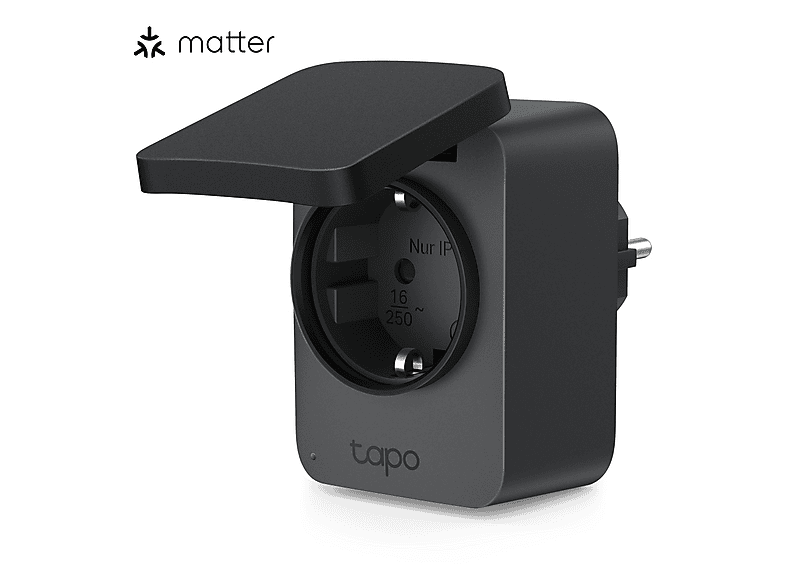 TAP·P410MTAPO P410M WLAN Smarte Außensteckdose€23±0.0%
 LED·SMARTLedvance Smart+ Plug Steckdose außen IP44 Energiezähler App€14±0.0%
 LED·SMARTLedvance Smart+ Plug Steckdose Nachtlicht Weiß App Google€14±0.0%
 PHI·IKEAIkea TRETAKT Smarte Steckdose WLAN/WiFi | Philips Hue€14−3.5%
 TPL·TAPOTapo P410M WLAN Outdoor Steckdose€24±0.0%
 MER·MINIMeross MINI Smart Steckdose 16A mit Strommessung WLAN Alexa€25±0.0%
 HAM·WLANHama WLAN Steckdose + Stromverbrauchsmesser WiFi€25±0.0%
 SON·S601-5Packs SONOFF S60 WIFI 16A Smart Steckdose Schalter APP€13±0.0%
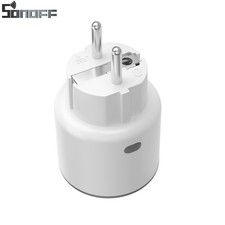 SON·SMARTSONOFF Smart Plug WLAN-Steckdose App Weiß Fernbedienung für€13±0.0%
 HAM·STUECK3 Stück Hama WLAN Steckdose Mini mit WiFi App-Steuerung€26±0.0%
 MER·SMARTMeross Smart WLAN-Steckdose 4er Pack mit Strommessung€47−16.5%
 TPL·TAPOTapo P 110 smarte Steckdose - kann mit Google und Alexa€12±0.0%
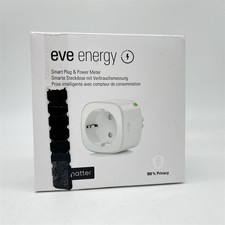 EVE·ENERGYEve Energy (Matter) – Smarte Steckdose, Matter & Thread€28±0.0%
- TAP·TPTP-Link Tapo Smart WLAN Steckdose P110 mit EnergieverbrauchskontrolleSmarte Steckdose · Wi-Fi€9±0.0%±0.0%+13.7%
- TAP·TPTP-Link Tapo P100 WLAN Smart Steckdose, Smart Home WiFi SteckdoseSmarte Steckdose · Wi-Fi€9±0.0%−10.2%−3.3%
- SHE·PLUGShelly Plug M Gen3 Weiß - WLAN & Matter Smarte SteckdoseSmarte Steckdose · Wi-Fi€20±0.0%±0.0%±0.0%
- TAP·WLANTapo WLAN Smart Steckdose Tapo P100(2-Pack)Smarte Steckdose · Wi-Fi€19+1.8%+18.2%+18.2%
- SWI·WLANSwitchBot WLAN Steckdose mit Strommessung, Smart Home Steckdose 16ASmarte Steckdose · Wi-Fi€12±0.0%––
- TAP·P115Tapo P115 Smart WLAN Steckdose mit EnergieverbrauchskontrolleSmarte Steckdose · Wi-Fi€14±0.0%+16.7%+16.7%
- BRE·CONNECTBrennenstuhl Connect WLAN Steckdose WA 3600 XS02, Smart HomeSmarte Steckdose · Wi-Fi€11±0.0%+12.2%−10.2%19 d
- OSR·SMARTOSRAM SMART+ Matter Plug EU Steckdose 10A 2300W IP20 schwarzSmarte Steckdose · Wi-Fi€13±0.0%−0.3%−0.3%8 d
- SWI·WLANSwitchBot WLAN Steckdose, Smart Home Matter Steckdose für Home&BüroSmarte Steckdose · Wi-Fi€31±0.0%±0.0%±0.0%10 d
- TAP·NANOTapo Nano Smart WLAN Steckdose Tapo P115 mitSmarte Steckdose · Wi-Fi€37−1.1%−1.1%−1.1%13 d
- PHI·HUEPhilips Hue Smart Plug, Weiß, 3er Pack | Smarte SteckdoseSmarte Steckdose · Zigbee€71−11.3%−11.3%+10.9%19 d
- FRI·SMARTFRITZ!Smart Energy 200 | Intelligente SteckdoseSmarte Steckdose · DECT€30±0.0%−25.0%±0.0%19 d
- MER·SMARTMeross Smart Mehrfachsteckdose 3 AC + 4 USB, WLANSmarte Steckdose · Wi-Fi€18±0.0%––
- BRE·WLANBrennenstuhl WLAN Steckdose Smart Home Alexa Google AssistantSmarte Steckdose · Wi-Fi€18±0.0%±0.0%±0.0%10 d
- HAM·WLANHama WLAN Steckdose Mini mit Stromverbrauchsmesser WiFi App-SteuerungSmarte Steckdose · Wi-Fi€18±0.0%±0.0%±0.0%15 d
- HAM·WLANHama WLAN Steckdose Professional, Mini PlugSmarte Steckdose · Wi-Fi€12±0.0%−31.9%±0.0%19 d
- HAM·PACK3ER PACK Hama Smarte WLAN-Steckdose Weiss (mit Verbrauschsmessung) NEUSmarte Steckdose · Wi-Fi€20±0.0%±0.0%±0.0%
- SHE·SMARTEShelly Smarte Steckdose WLAN Bluetooth Gen3 Plug Wi-Fi Steckdose WeißSmarte Steckdose · Wi-Fi€17±0.0%+6.3%+13.3%
- SON·S61SSONOFF S61s Matter WLAN Außensteckdose Wasserdicht Strommessung IP44Smarte Steckdose · Wi-Fi€20±0.0%––
- TAP·P110MTAPO P110M Smarte SteckdoseSmarte Steckdose · Wi-Fi€16±0.0%±0.0%±0.0%18 d
- TAP·P100TAPO P100 smarte WLAN Steckdose (2er Pack) Smarte Mini SteckdosenSmarte Steckdose · Wi-Fi€22±0.0%+10.0%+22.2%18 d
- HAM·WLAN2 Hama WLAN-Steckdose Matter Smart Plug 3680WSmarte Steckdose · Wi-Fi€22±0.0%±0.0%±0.0%24 d
- HAM·WLANHama WLAN Steckdose 3680W WiFi Socket Smart Home Matter App-SteuerungSmarte Steckdose · Wi-Fi€15±0.0%±0.0%±0.0%24 d
- SON·S60SONOFF S60 ZIGBEE SMART STECKDOSE INTELLIGENTE 16A PLUG SCHALTERSmarte Steckdose · Zigbee€15±0.0%±0.0%±0.0%24 d
- SON·S60Sonoff S60 Zigbee Smart Steckdose 16A Plug Energiemessung AppSmarte Steckdose · Zigbee€15±0.0%±0.0%±0.0%24 d
- LED·SMARTLEDVANCE Smart+ Plug ZigBee schaltbare Steckdose Lichtsteuerung SmartSmarte Steckdose · Zigbee€23+21.2%+21.2%+21.2%11 d
- TPL·TPTP-Link Tapo P110 Smart Home WLAN-Steckdose Alexa & GoogleSmarte Steckdose · Wi-Fi€15±0.0%––
- TAP·P410MTAPO P410M WLAN Smarte AußensteckdoseSmarte Steckdose · Wi-Fi€23±0.0%±0.0%−4.1%19 d
- LED·SMARTLedvance Smart+ Plug Steckdose außen IP44 Energiezähler App GoogleSmarte Steckdose · Wi-Fi€14±0.0%±0.0%±0.0%22 d
- LED·SMARTLedvance Smart+ Plug Steckdose Nachtlicht Weiß App Google Alexa AppleSmarte Steckdose · Bluetooth€14±0.0%±0.0%±0.0%22 d
- PHI·IKEAIkea TRETAKT Smarte Steckdose WLAN/WiFi | Philips Hue | ZigbeeSmarte Steckdose · Zigbee€14±0.0%−3.5%±0.0%24 d
- TPL·TAPOTapo P410M WLAN Outdoor Steckdose, Smart Home Plug mit StromzählerSmarte Steckdose · Wi-Fi€24±0.0%±0.0%±0.0%16 d
- MER·MINIMeross MINI Smart Steckdose 16A mit Strommessung WLAN Alexa 4erSmarte Steckdose · Wi-Fi€25±0.0%––
- HAM·WLANHama WLAN Steckdose + Stromverbrauchsmesser WiFi App-Steuerung SmartSmarte Steckdose · Wi-Fi€25±0.0%±0.0%±0.0%17 d
- SON·S601-5Packs SONOFF S60 WIFI 16A Smart Steckdose Schalter APPSmarte Steckdose · Wi-Fi€13±0.0%±0.0%±0.0%24 d
- SON·SMARTSONOFF Smart Plug WLAN-Steckdose App Weiß Fernbedienung für GoogleSmarte Steckdose · Wi-Fi€13±0.0%±0.0%±0.0%
- HAM·STUECK3 Stück Hama WLAN Steckdose Mini mit WiFi App-Steuerung Smart Home neuSmarte Steckdose · Wi-Fi€26±0.0%±0.0%±0.0%23 d
- MER·SMARTMeross Smart WLAN-Steckdose 4er Pack mit StrommessungSmarte Steckdose · Wi-Fi€47±0.0%−16.5%−16.5%19 d
- TPL·TAPOTapo P 110 smarte Steckdose - kann mit Google und AlexaSmarte Steckdose · Wi-Fi€12±0.0%––
- EVE·ENERGYEve Energy (Matter) – Smarte Steckdose, Matter & ThreadSmarte Steckdose · Thread€28±0.0%––
A smart plug turns almost any appliance into a smart home device: switch it via app, control it on a schedule and often measure its consumption too.
What a smart plug can do – and what it can't
A smart plug is a plug-in adapter with a built-in relay and wireless module. You plug it into the wall socket, plug your appliance into the adapter – done. From then on you can switch the power on and off via app, voice assistant, schedule or automation. That works well for floor lamps, fans, coffee machines with a mechanical switch, Christmas lights or home entertainment gear that you want fully disconnected at night.
Important: the plug only switches the power supply. Appliances that need an extra button press after power-on (many TVs, washing machines, bean-to-cup coffee machines with soft-touch controls) won't start automatically. For fridges, freezers, aquariums or medical devices, accidental switch-off is risky – there you should measure at most, not switch via automation.
Wireless standard: Wi-Fi, Zigbee, DECT or Matter?
Wi-Fi plugs connect directly to your router and don't need a hub. That's the easiest way to get started, but with many devices it puts load on your home network; almost all models only use the 2.4 GHz band. Zigbee plugs need a gateway (such as a bridge or smart home hub), but in return they form a stable mesh network and are energy-efficient. DECT plugs are mainly interesting for households with a FRITZ!Box, which acts as the hub.
Matter is a cross-brand standard: a Matter device can be paired with Apple Home, Google Home, Amazon Alexa or SmartThings, provided you have a suitable Matter controller at home. If you don't want to commit to one system yet, Matter is the most future-proof choice.
What to look for when buying
Check the load rating first. Many models are designed for up to 16 A or 3,680 W, while compact mini plugs are sometimes rated for only 10 A. For fan heaters, kettles or washing machines you need the higher continuous rating. Also check the form factor: slim models don't block the neighbouring socket on a power strip.
- Energy monitoring: worthwhile if you want to see consumption and costs – usually only a small surcharge.
- Local control: models that work without the manufacturer's cloud still switch during an internet outage.
- Multipacks: pay off if you want to equip several rooms.
- Child protection and earthing contact: standard on plug adapters, but worth a quick check.
Price range and multipacks
Simple Wi-Fi plugs without monitoring are among the cheapest smart home devices of all; models with energy monitoring, Matter or a local interface cost a bit more. With multipacks, always work out the price per unit and check that the pack really contains identical models. Our price comparison shows offers from several shops, so you can compare single units and packs side by side.